
 SEARCH
 LIST YOUR PROPERTY

Autumn is gently settling over Flanders, and with it returns one of the most anticipated cultural events of the year. From 7 to 18 October 2026, the 53rd edition of the Film Fest Gent will roll out its red carpets and light up its giant screens to celebrate the silver screen. This year, the excitement is at its peak with the highly awaited premiere of the opening film, Coward, directed by local prodigy Lukas Dhont. However, while the programme is a dream, the logistics can quickly turn into a nightmare for festival-goers. Finding accommodation in Ghent during this period is often an uphill battle. Hotels are booked out months in advance and prices skyrocket. At Roomlala, we know how frustrating it is to have to cut into your cinema budget to pay for an overpriced overnight stay. That is why we offer a solution that is economical, welcoming and perfectly legal: a homestay. Discover how to fully enjoy the festival while living like a true local from Ghent, with no nasty surprises or compromises on the quality of your stay.
The excitement of the 2026 Film Fest Gent and the challenge of finding accommodation in Ghent
A must-attend event for European cinephiles
Every year in October, the quiet medieval city of Ghent transforms into a true international capital of cinema. The Film Fest Gent is not just a festival; it is an institution that attracts tens of thousands of enthusiasts, directors, actors and film music composers from all over the world. For this 53rd edition, scheduled from 7 to 18 October 2026, the programme promises to be grander than ever, with special attention paid to both Belgian and international talent.
Read also: San Sebastián Film Festival 2026: Find affordable homestay accommodation to experience the event, Milan Fashion Week 2026: The chic and affordable homestay alternative and Locarno Film Festival 2026: Homestay accommodation in Ticino without breaking the bank
The opening of the festival with Coward by Lukas Dhont is a powerful symbol. The Ghent-born director, already a multiple award winner, is playing on home turf, which is generating unprecedented enthusiasm among the local public and foreign visitors. The streets of the city will vibrate to the rhythm of screenings, masterclasses, film music concerts (the famous World Soundtrack Awards) and the gala evenings that make the event so renowned.
However, this massive influx of visitors radically changes the city's dynamics. Historic cinemas such as the Kinepolis, the Studio Skoop, the Sphinx Cinema and the Vooruit arts centre become the epicentres of buzzing activity. While this festive atmosphere is exceptional to experience, it creates a major challenge for anyone wishing to attend over several days: finding a place to sleep.
Indeed, although Ghent is a popular tourist destination, its hotel capacity is limited compared to the scale of such an event. As soon as the official dates are announced, bookings flood in, turning the search for accommodation into a real race against the clock. This is where planning ahead becomes crucial for any festival-goer who wants to enjoy the event without stress.
Soaring prices and hotel saturation
The law of supply and demand hits the Ghent accommodation sector hard during the month of October. With thousands of cinephiles looking for a place to stay simultaneously, the classic hotel market quickly reaches saturation. Standard hotel rooms, usually affordable, see their rates double or even triple as the festival dates approach.
It is not uncommon to see basic rooms easily exceed the 200 to 250 euro mark per night, a colossal budget for film students, young professionals or even families passionate about the seventh art. This price inflation discourages many visitors who, lacking the means, are forced to shorten their stay or opt for accommodation on the outskirts, far from the festival buzz.
Furthermore, this saturation does not only concern luxury hotels or international chains. Youth hostels and small, traditional B&Bs are also snapped up months in advance. For those leaving it to the last minute, options are often reduced to overpriced accommodation or exhausting daily commutes from other Belgian cities like Brussels or Antwerp.
Faced with this reality, it is imperative to rethink how you travel and find accommodation. Finding accommodation in Ghent during the festival requires thinking outside the box. This is exactly where short-term homestay rentals reveal their full potential, offering a welcome safety valve against the overheating of the hotel market.
Homestays in Ghent: the economical and authentic solution
Mastering your festival budget from A to Z
Faced with the soaring prices of classic hotels, a homestay in Ghent is the smartest alternative for keeping your budget in check. By renting a room directly from a private individual, you avoid the structural and staff costs inherent in hotels, which translates into much lower rates, even during periods of high tourist demand.
Let's take a concrete example: while a hotel room in the heart of Ghent will easily cost you over 200 euros during the 2026 Film Fest Gent, a comfortable room in a homestay via Roomlala can be found for between 50 and 80 euros per night. This drastic difference allows you to reallocate your budget to what really matters: buying festival passes, tickets for masterclasses, or discovering local gastronomy.
The economic advantage doesn't stop at the price of the night. By staying in a homestay, you very often have access to your host's kitchen. Being able to prepare your own breakfast or cook a quick meal between two film screenings represents a substantial saving on your dining budget. No more need to eat out at restaurants for both lunch and dinner!
At Roomlala, we notice that travellers who choose this option often extend their stay. Rather than just coming for an express weekend, the savings allow them to stay for four or five days, to soak up the atmosphere of the film festival in Ghent with accommodation included, and to not miss any important screenings. It is a genuine win-win strategy for both your wallet and your cultural experience.
Experience the Ghent Film Festival like a true local
Beyond the purely financial aspect, choosing a homestay is a choice for authenticity. The people of Ghent are renowned for their hospitality, open-mindedness and love of culture. By sharing their home, you aren't just renting a bed; you are treating yourself to a total immersion in the local way of life, far from the sanitised nature of some hotel rooms.
Your host will be your best ally for navigating the city during the festival. They can point out the bike shortcuts to reach the Kinepolis from your neighbourhood, recommend the best place to taste a real Waterzooi after a late screening, or show you the trendy bars where festival-goers and sometimes even directors meet to put the world to rights over a local beer.
Imagine the case of Thomas, a young French cinephile who came to attend the previous edition. By staying with a couple of culture-loving Ghent locals, he not only saved on his accommodation, but his hosts also lent him a bike for his entire stay and showed him alternative places not mentioned in tourist guides. It is this extra touch, this human exchange, that transforms a simple trip into a memorable and deeply enriching experience.
2026 Flemish regulations: what you need to know before booking your accommodation
The Logiesdecreet and the registration number requirement
While homestay rental is a great idea, it is crucial to stay informed about legal developments to avoid any nasty surprises. In Belgium, and more specifically in Flanders, tourist rentals are strictly regulated by the decree on accommodation, known as the Logiesdecreet. This law applies to all types of tourist accommodation, including private individuals renting a simple room in their main residence.
In 2026, the Flemish authorities significantly tightened their stance to combat illegal accommodation and ensure traveller safety. From now on, every host is under an absolute obligation to declare their activity to the official body Toerisme Vlaanderen. To obtain the valuable certificate, the accommodation must meet strict standards, particularly in terms of fire safety (presence of fire extinguishers, compliant smoke detectors, clear evacuation plans).
Once these criteria are validated, the host receives an official registration number. The big news this year in 2026, which has been widely publicised since June, is the obligation for booking platforms to block and remove any listing that does not include this valid registration number. The Ghent municipalities have also been given the power to immediately close down any accommodation deemed illegal or unsafe.
At Roomlala, we take these guidelines very seriously to guarantee your safety. We strongly advise you to check for the presence of this registration number on the listing before finalising your booking. This will save you the stress of a last-minute cancellation by the authorities, a nightmare scenario in the middle of a festival period where finding a plan B would be virtually impossible.
The impact of the new VAT on your budget
Another major legal and fiscal element came into force recently and deserves your full attention in order to calculate your budget correctly. Since 1 March 2026, the Value Added Tax (VAT) applicable to tourist accommodation in Belgium has undergone a significant change, increasing from 6% to 12%. This government measure aims to harmonise rates, but it has a direct impact on the final price paid by the consumer.
In concrete terms, this tax increase is inevitably passed on to the traveller's bill, whether you book a classic hotel or a room with a professional host subject to VAT. For a stay of several nights, this 6-percentage-point difference can represent several dozen extra euros, a sum that could have been invested in your festival activities.
However, this is where renting from a non-professional individual (someone who occasionally rents out a room in their own home without it being a commercial activity subject to VAT) becomes even more competitive. By choosing the right listings on Roomlala, you can often escape this fiscal inflation while staying within a perfectly legal framework, provided that the host respects the income thresholds and the regulations of the aforementioned Logiesdecreet.
Our practical tips for a successful festival trip
Plan ahead and check your listing
As you will have understood, the key to a successful 2026 Film Fest Gent lies in planning ahead. Don't wait until the end of summer to start your search. As soon as you have your holiday dates or your tickets for the opening film Coward, start your search for your homestay. The best offers, those that combine an ideal location, an attractive price and a welcoming host, often go six months in advance.
When searching on Roomlala, take the time to read the descriptions and reviews from previous travellers. A good host is often a host who communicates well. Do not hesitate to send them a message before booking to ask questions about the distance between their home and the main cinemas, or to verify the details of their Toerisme Vlaanderen registration number together.
Here is a small checklist to validate your ideal listing:
- Registration number: Present and visible on the listing (compliant with Logiesdecreet 2026).
- Location: Proximity to a tram line or feasibility of the route by bike.
- Flexibility: Ability to return home late at night after the evening screenings.
- Amenities: Access to the kitchen and Wi-Fi to organise your days.
Organising yourself on site: transport and screening rooms
Once your accommodation is secured, it is time to think about your logistics on site. Ghent is a pioneering city when it comes to soft mobility. Its city centre is one of the largest pedestrian zones in Europe. Forget the car; it will be more of a burden than anything else, especially with traffic restrictions and the exorbitant price of underground car parks.
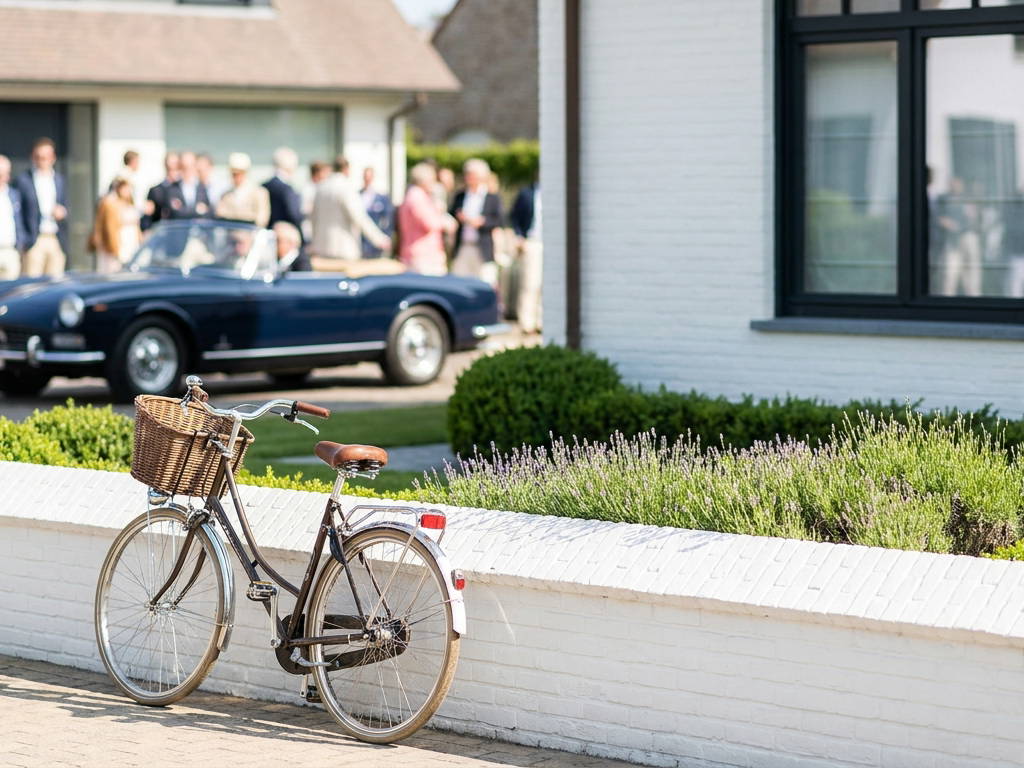
The king of transport in Ghent is the bicycle. Most Ghent locals get around exclusively on two wheels. Ask your host if they can lend you one, or turn to local rental services such as De Fietsambassade. Cycling along the illuminated canals in autumn to reach a film screening is a poetic experience that fits perfectly with the atmosphere of the festival.
If you prefer public transport, the De Lijn network (trams and buses) is extremely well developed. Tram lines 1 and 2 will drop you off in the immediate vicinity of the main festival hubs. Consider buying a multi-day pass to save money. The Kinepolis, located a little further south of the historic centre, is very easily accessible by tram from Gent-Sint-Pieters or Gent-Dampoort stations.
By following these tips, anticipating your booking and choosing the conviviality of a homestay, you are guaranteed to experience an unforgettable 53rd Film Fest Gent. You will keep your budget perfectly under control while discovering the true soul of this magnificent Flemish city. Enjoy the festival and happy viewing to everyone!


There are no comments yet.
Leave a comment
You must be logged in to post a comment.