
 SEARCH
 LIST YOUR PROPERTY
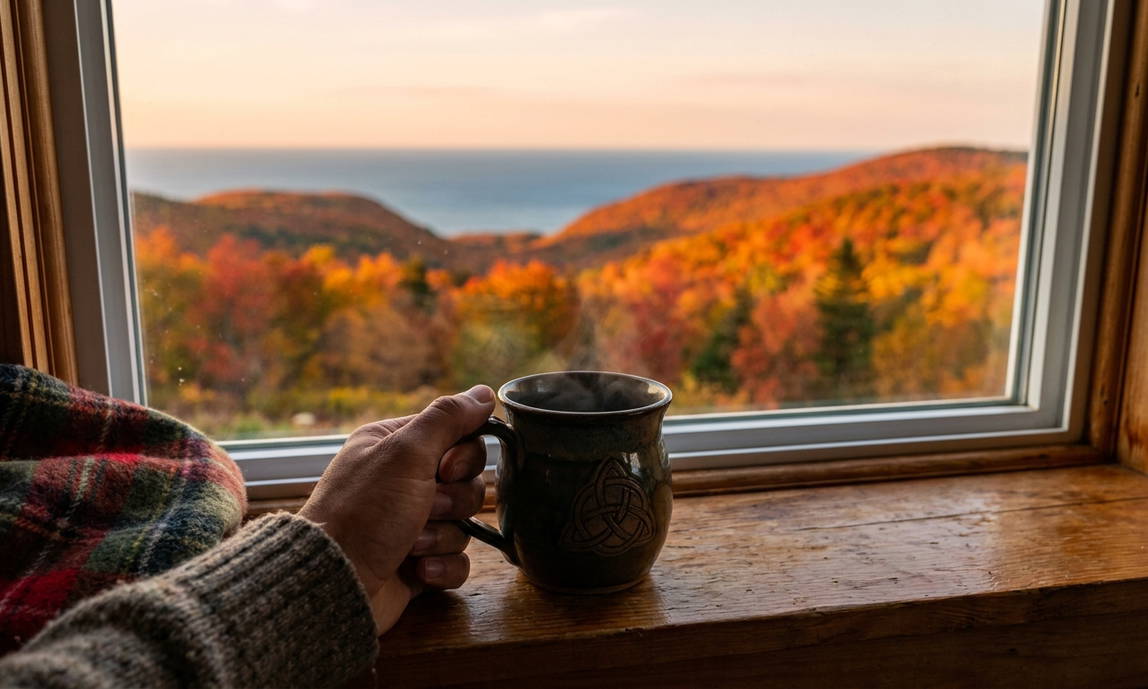
Imagine yourself driving along the famous Cabot Trail, surrounded by blazing hills in shades of red, orange, and gold, with the vast Atlantic Ocean as your backdrop. This postcard-perfect setting is where the highly anticipated Celtic Colours 2026 will take place. From 9 to 17 October 2026, Cape Breton Island will pulse to the rhythm of fiddles, bagpipes, and step dancing to celebrate its rich Celtic heritage.
However, attending this internationally renowned event requires some preparation. Tickets have been on sale since 7 July 2026, and traditional accommodation was snapped up in record time. Finding a place to stay for the night can quickly become a real headache for latecomers or for those looking for an affordable option amidst the high tourist demand.
Read also: Sitges Film Festival 2026: Homestay accommodation to enjoy the thrills without breaking your budget, Rigaud Festival of Colours 2026: The trick to enjoying autumn without breaking the bank and Marseille International Fair 2026: Tips for affordable accommodation
This is exactly where we come in. At Roomlala, we are convinced that a homestay is the ideal solution for experiencing this festival from the inside, as close to the locals as possible. Not only does this alternative allow you to make valuable savings, but it also offers an unparalleled human immersion. Let's discover together how to optimise your stay in Nova Scotia to fully enjoy this exceptional edition.
Why Celtic Colours 2026 is the must-attend autumn festival in Canada
Canada is full of grand cultural events, but few manage to combine authentic traditional music and the raw splendour of nature with such brilliance. Over the years, this musical event has become a true institution in North America, attracting enthusiasts from all four corners of the globe.
A musical immersion in the heart of Cape Breton Island
This year's edition promises to be particularly rich and ambitious. The festival offers no less than 52 concerts spread across 36 different communities throughout Cape Breton Island. From century-old churches to warm community halls, every performance venue offers unique acoustics and an atmosphere conducive to conviviality and exchange.
The programme highlights talented local artists alongside international figures of Celtic music. Whether you are a seasoned folk music lover or just a curious visitor, the diversity of the shows will captivate you. Evenings often extend into impromptu ceilidhs, those traditional festive gatherings where dancing, singing, and sharing are celebrated until the early hours.
By attending these live performances, you are not just listening to beautiful music; you are actively participating in the preservation of a living culture. The people of Cape Breton are deeply proud of their Scottish and Irish roots, and they share this heritage with a generosity that touches every visitor right to the heart, making the experience unforgettable.
The peak of the autumn colours season in Nova Scotia
In addition to the exceptional musical programme, the real show is often found outside, on the roads and in the valleys. The festival dates, from 9 to 17 October 2026, perfectly coincide with the peak of the autumn colours season. The vast hardwood forests dress themselves in their finest attire, transforming every journey into a breath-taking visual experience.
Fans of photography, wide open spaces, and hiking will find absolute happiness in the Cape Breton Highlands National Park. The marked trails, carpeted with multi-coloured leaves, offer spectacular viewpoints of the steep cliffs plunging into the sea and the green valleys. It is the ideal time of year to combine cultural tourism and ecotourism in a preserved setting.
We highly recommend planning busy yet balanced days: exploring magnificent landscapes and hiking in the morning, tasting local seafood in small fishing ports at lunch, and captivating concerts in the evening. It is this magical and unique combination that makes this gathering the best autumn festival in Canada of the decade.
The challenges of finding accommodation on Cape Breton during the event
While the appeal of the event is undeniable and justifies the trip on its own, organising your stay requires taking several complex local realities into account. The festival's growing popularity creates major logistical challenges that are better anticipated.
Hotels under pressure and rising prices
With thousands of visitors flocking to the island simultaneously, the standard hotel supply quickly proves insufficient to meet demand. Hotels, motels, and youth hostels are very often booked out months in advance. Since the official opening of ticket sales on 7 July 2026, room bookings have literally exploded.
The direct consequence of this very high demand is that the rates for the few remaining hotel rooms reach dizzying heights. For a budget-conscious traveller or a family, it becomes difficult to justify such expenses, especially if you wish to extend your stay to quietly explore the rest of the province of Nova Scotia.
Furthermore, traditional commercial accommodation is often concentrated in large cities or major tourist hubs like Sydney or Baddeck. If your favourite concert is taking place in a small, isolated coastal village, you risk finding yourself very far from the action, thus losing precious time in unnecessary and tiring travel.
The logistics of travel: be careful with night driving
This is a crucial point of vigilance that we absolutely want to emphasise at Roomlala. With 36 host communities scattered across a vast territory, the distances between different concert halls can be considerable. Cape Breton Island is majestic, but its roads, though magnificent by day, change once night falls.
Driving at night in this region requires extreme caution and constant attention. Back roads are often isolated, very poorly lit, and particularly winding. Above all, the local wildlife is very active at dusk and dawn. Unexpected encounters with moose on the road are frequent and can cause very serious accidents if you are not vigilant.
To give you a concrete example: if you attend an intimate concert in Chéticamp and your hotel is in Sydney, you will have to drive for more than two hours in total darkness after the show. Hence the strategic importance of choosing accommodation on Cape Breton located as close as possible to the events you plan to attend, in order to drastically limit your night-time travel.
The Nova Scotia homestay: the ideal and warm solution
Faced with these logistical, safety, and financial challenges, renting a room in a homestay naturally presents itself as the smartest and friendliest alternative. At Roomlala, we see every day how this mode of accommodation positively transforms the overall experience of travellers.
First of all, it is an extremely economical option that will relieve your wallet. By avoiding the inflated rates of the peak hotel season, you preserve your budget for what really counts during your trip: buying additional tickets for concerts, local handcrafted souvenirs, or delicious meals featuring freshly caught lobster.
Next, the geographical flexibility offered by this type of accommodation is a major asset. Residents offering welcoming rooms can be found all over the island, including in the small, picturesque villages that host the concerts. You can thus build a tailor-made itinerary, changing hosts every two or three days to follow the festival programme without any stress related to transport.
Finally, the human aspect is invaluable and perfectly matches the spirit of the event. Your hosts are very often themselves enthusiasts of Celtic culture, delighted to share their love for their region. Here are some concrete advantages of living this homestay experience:
- Informed local advice: Your host will be able to show you the best back road to avoid local traffic or recommend the small family-run seafood restaurant that only the residents know.
- Total cultural immersion: It is not uncommon to share a hearty breakfast while listening to fascinating anecdotes about the history of the region, or even to hear your host play a few fiddle tunes in the living room before you head out.
- Greatly increased safety: By sleeping just a few minutes from the concert venues, you avoid long, dangerous night-time journeys on isolated roads frequented by wildlife.
Regulations and practical advice for booking your stay
Although a Nova Scotia homestay is a fantastic and charming solution, it is essential to be well-informed about the legal framework before finalising your booking. The Canadian province has recently put in place strict rules to regulate short-term rentals and protect visitors.
Understanding provincial regulation and local tax
Recently, the government of Nova Scotia has mandated the compulsory registration of all short-term rentals, i.e., those lasting less than 28 consecutive days. This government measure aims to ensure the safety of travellers and maintain a high quality of tourist accommodation. Thus, any host renting out a room must mandatorily possess a valid provincial registration number.
This registration number must be clearly displayed on the online rental listing. It is a sign of professionalism, transparency, and legality. At Roomlala, we strongly encourage all our users to check for the presence of this registration number during their exchanges with hosts, to avoid any administrative inconvenience or a last-minute cancellation by local authorities.
In addition, it is important to note for your budget that a local tourist tax, officially called a marketing levy, applies to short-term accommodation on Cape Breton Island. Currently set at 3%, this tax is generally included in or added to the price of your stay. It contributes directly to the tourism development of the region and to the maintenance of the infrastructures that make your trip so pleasant.
How to choose your host with Roomlala
To ensure your experience at Celtic Colours 2026 is absolutely perfect, take the time to carefully select your homestay on our platform. Start by identifying precisely the concerts you absolutely do not want to miss in the programme, then search for accommodation located within a maximum radius of 20 to 30 minutes' drive from these performance venues.
Read the descriptions and profiles of the hosts on Roomlala carefully. Prioritise those who explicitly mention their knowledge of the festival or who offer very useful extras, such as lending detailed road maps, advice on parking near the halls, or flexible hours to adapt to your late returns after the night-time shows. Do not hesitate to communicate with them via our secure messaging system before booking to ask any questions you may have about the logistics.
By following these few practical tips and by getting organised a little in advance, you guarantee yourself a memorable and hassle-free stay. The legendary warmth of the Nova Scotian welcome, combined with the enchanting magic of Celtic music and the spectacular beauty of the autumn landscapes, will make your trip an unforgettable human and sensory adventure. Pack your bags, check your tickets, Cape Breton Island is waiting for you!



There are no comments yet.
Leave a comment
You must be logged in to post a comment.