
 SEARCH
 LIST YOUR PROPERTY
The federal government's recent announcements regarding immigration quotas have made headlines across Canadian media. As a host, you are surely wondering if the 2026 Canadian student housing market is set to collapse. At Roomlala, we receive daily messages from our hosts who are worried about this new situation. Rest assured: the reality on the ground is very different from the alarmist headlines. While the maintenance of quotas on international study permits by IRCC (Immigration, Refugees and Citizenship Canada) is changing the landscape, it does not in any way destroy the profitability of homestay rentals.
On the contrary, in a tight economic context marked by inflation and rising interest rates, the demand for affordable shared housing has never been stronger. We have analysed the latest data from the CMHC (Canada Mortgage and Housing Corporation) and the new government guidelines to help you prepare for the next academic year with peace of mind. Discover why your spare room remains a gold mine and how to adapt your listing to attract the best profiles.
Read also: Housing crisis: Renting a room to an apprentice, the solidarity-based solution for 2026 in French-speaking Switzerland, Shared housing in Wallonia 2026: Domiciliation and Cohabitant Status and LMNP reform and 2026 EPC rules: Why homestays are becoming the safe haven for hosts
Decoding 2026 student immigration quotas and policy
To understand the real impact of the new policies, it is essential to look at the exact figures provided by the government. The IRCC has set the 2026 cap at 408,000 study permits. At first glance, this 7% decrease compared to the previous year may seem drastic and could discourage some hosts who are used to renting to international students.
However, a closer analysis reveals a much more reassuring situation for the rental market. At Roomlala, we would like to point out that this overall figure hides a dynamic that is very favourable to hosts. This is not about closing borders, but about a strategic reorganisation aimed at better integrating foreign students already on Canadian soil.
The real numbers: between new arrivals and extensions
The most important nuance to remember is the breakdown of these 408,000 permits. According to official data, only 155,000 concern new arrivals. The vast majority, or 253,000 permits, are allocated to extensions of stay. What does this mean in practical terms for you as a host?
It means that a vast pool of more than a quarter of a million international students is already present in Canada. These young adults are already integrated, pursuing their studies, and, above all, have an urgent and continuous need for housing. They will be actively looking to renew their lease or find a new, more affordable room for their further studies. Rental demand from this student population is therefore not disappearing; it is stabilising and even maturing.
The strategic exemption for graduate studies (Master's and Doctorate)
Another major new feature of the 2026 policy is the total exemption from the cap for Master's and doctoral students enrolled in public institutions. These highly qualified profiles are no longer even required to provide a provincial attestation letter (PAL). For a host, this is excellent news.
These graduate students represent the ideal tenants: they are generally older, very serious, focused on their research, and often have scholarships or stable funding. By adapting your listing on Roomlala to specifically target this audience (for example, by highlighting the quietness of your home and the presence of an ergonomic workspace), you ensure you rent your room to reliable people whose presence in Canada is encouraged and facilitated by federal authorities.
Why does the Canadian student housing crisis persist despite the announcements?
It is tempting to believe that reducing immigration quotas will be enough to solve housing shortages. However, the Canadian student housing crisis is far from over, and recent data proves it. The CMHC report published in June 2026 is clear: overall rental demand remains exceptionally high across the country. Even with a slight slowdown in population growth, pressure on the real estate market is sustained by young adults entering the workforce and the continuous formation of new households.
Some media outlets recently reported a supposed easing of the rental market, based on the same CMHC reports. At Roomlala, we urge you to be very cautious about these generalisations. In fact, the slight increase in vacancy rates observed in 2026 almost exclusively concerns new, high-end housing. In other words, it is the luxury condos in downtown Toronto, Montreal, or Vancouver, with monthly rents easily exceeding 2,500 dollars, that are struggling to find tenants. For the vast majority of students, these properties are completely unaffordable.
Conversely, in the lower and affordable rent brackets, vacancy rates remain critical and often hover near zero. Shared housing, homestays, and house shares are segments under extreme tension. Faced with the impossibility of renting an individual apartment, students are turning massively to budget-friendly solutions. This is precisely where your spare room functions as a vital and highly sought-after resource. The drop in quotas therefore has no negative impact on your ability to find a tenant.
Renting a room to an international or local student: A golden opportunity
While media attention often focuses on foreign students, one should certainly not underestimate the vitality of internal demand. The 2026 academic year promises to be particularly dynamic for the Canadian domestic market. Renting a room in your primary residence is not only an act of solidarity; it is a remarkably effective financial strategy for dealing with the rising cost of living and mortgage payments.
Strong demand from Canadian and interprovincial students
Canada is a vast country where interprovincial mobility is the norm for higher education. Every year, tens of thousands of students leave their home province to join renowned universities in Ontario, Quebec, British Columbia, or Alberta. These young Canadians are subject to the same financial constraints as their international counterparts.
With rising tuition fees and grocery costs, renting an entire apartment is no longer a viable option for many of them. They therefore naturally turn to homestays. By publishing your listing on Roomlala, you reach this huge community of local students directly, guaranteeing an optimal occupancy rate for your home, regardless of federal government immigration policies.
Shared housing for the 2026 academic year: the number one choice in the face of inflation
The strong trend emerging for shared housing for the 2026 academic year is the search for flexibility and conviviality at a lower cost. House sharing and homestays are no longer perceived as default choices, but as genuine lifestyles favoured by the new generation. For a host, offering a room for rent provides significant extra income.
Furthermore, renting a room to an international or local student fosters enriching cultural exchanges. Whether you host a student from Montreal who has come to study in Calgary, or a French doctoral student who has just arrived in Ottawa, you are meeting a fundamental need while securing your own finances. It is a win-win partnership that strengthens the social fabric while fighting the housing crisis.
Our advice to hosts for a successful 2026 academic year
Now that you are reassured about the strength of demand, how can you ensure your offer stands out for the 2026 academic year? At Roomlala, we support thousands of hosts on their rental journey. Here are our best practices for attracting the most serious profiles and ensuring harmonious cohabitation:
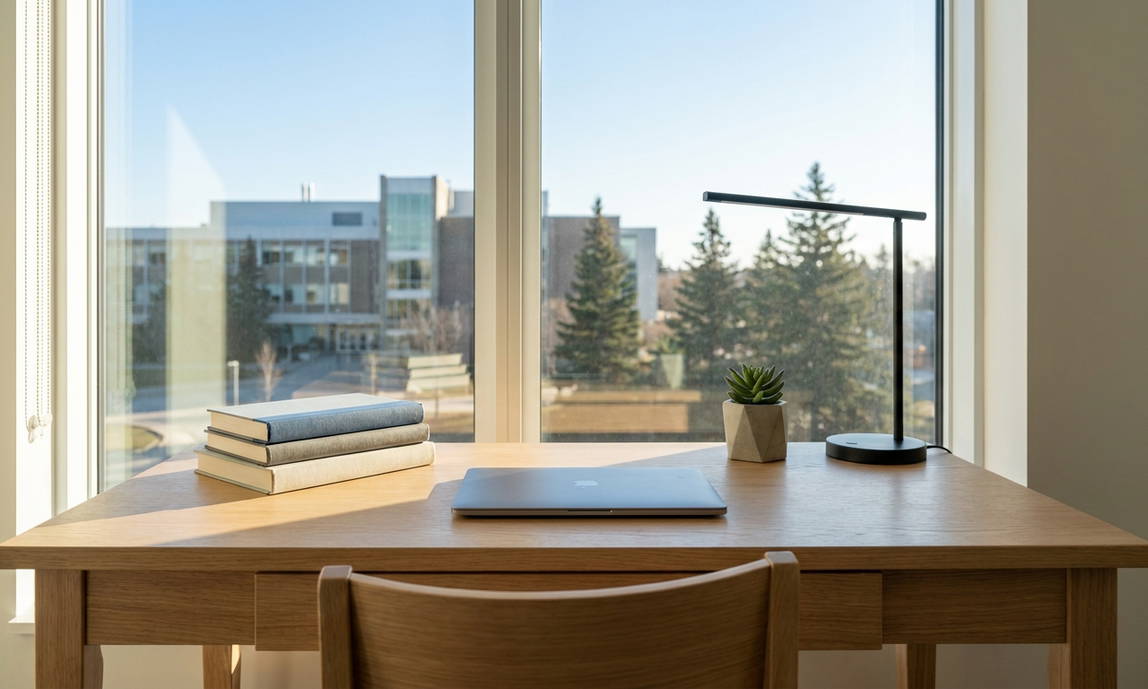
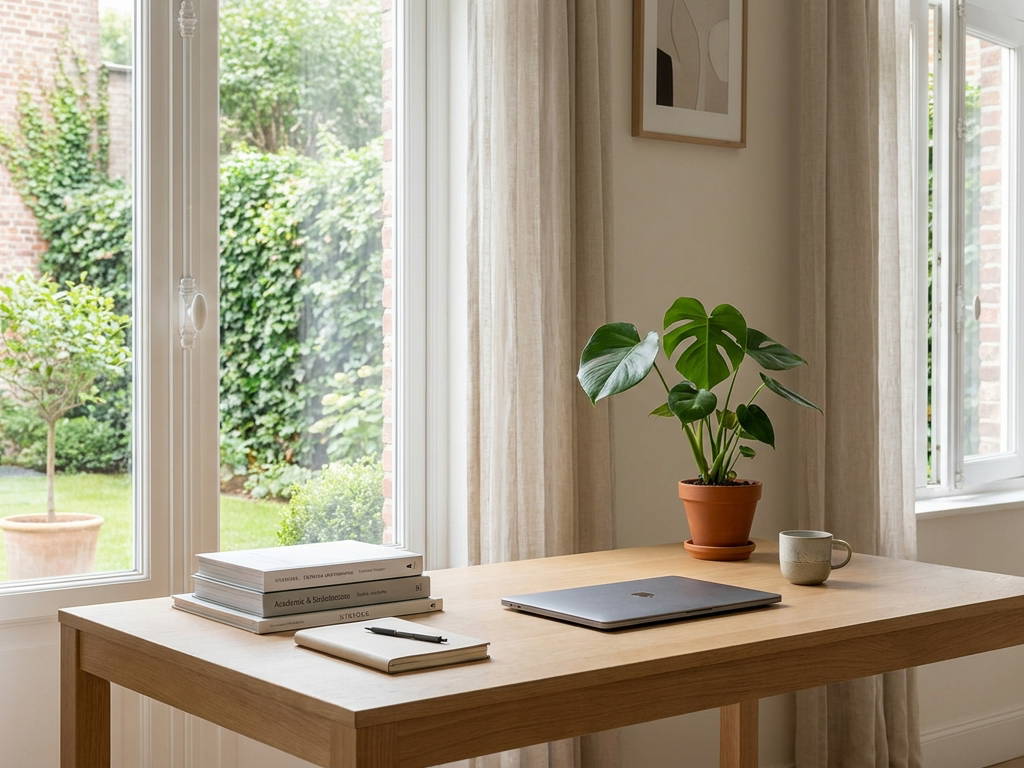
- Take care of your room layout: Master's and PhD students are exempt from quotas and represent a prime target. To appeal to them, focus on an environment conducive to study. A comfortable bed is essential, but a quality desk, an ergonomic chair, and impeccable high-speed internet will make all the difference.
- Adopt a fair and transparent pricing strategy: Research the rates in your neighbourhood. The goal is to offer a competitive rate that reflects the quality of your hosting. Include utilities (water, electricity, heating, internet) in the displayed price to avoid unpleasant surprises.
- Set clear house rules: Specify the house rules (kitchen access, use of the washing machine, quiet hours) from the very first contact to avoid any misunderstanding and ensure a peaceful shared living experience.
- Use a secure platform: By using Roomlala, you benefit from verified profiles, a secure messaging system, and payment guarantees. You can rent your room with peace of mind.
By applying these few tips, you ensure you make the most of the 2026 Canadian student housing market. The demand is very much present, diverse, and solvent. Don't wait any longer to highlight the assets of your home.
The 2026 academic year promises to be full of opportunities for well-prepared hosts. Prepare your listing today on Roomlala, highlight the comfort of your room, and get ready to welcome your next tenant under the best possible conditions. Homestay rental still has a very bright future ahead of it in Canada!


There are no comments yet.
Leave a comment
You must be logged in to post a comment.