
 SEARCH
 LIST YOUR PROPERTY
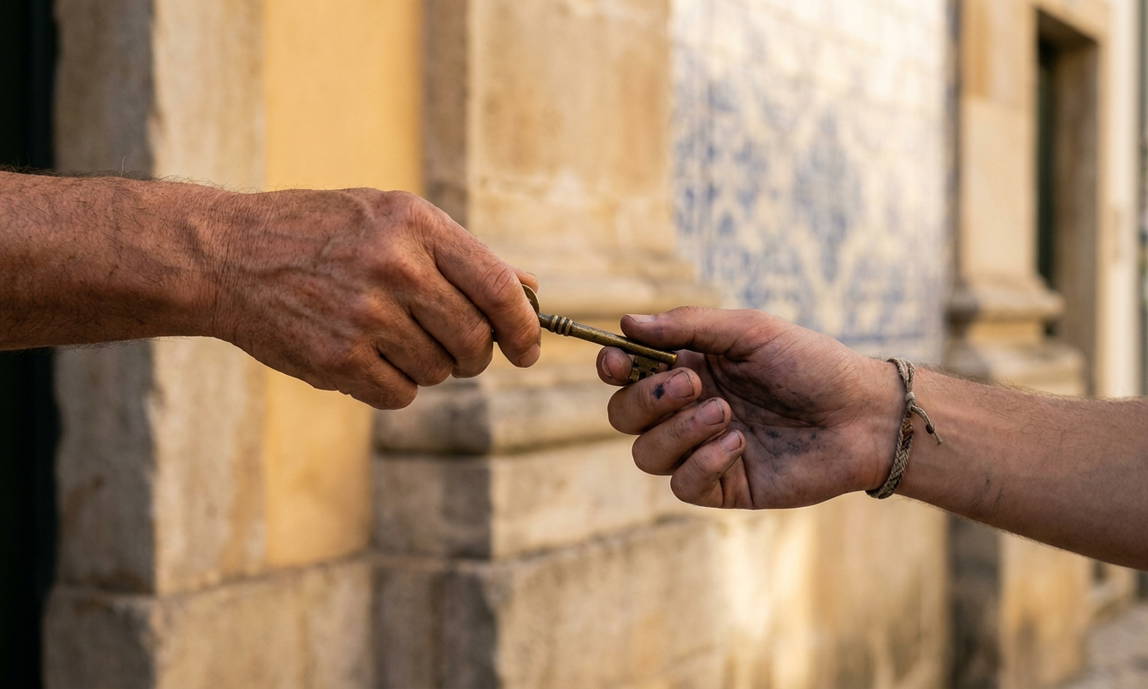
A high-tension start to the academic year for student housing in Coimbra
The autumn 2026 university term will undoubtedly go down in memory as one of the most complex for young people in Portugal. In Coimbra, the historical capital of student life in Portugal, the search for a roof over one's head has become a real ordeal. The undeniable appeal of the University of Coimbra is currently colliding head-on with an unprecedented housing crisis, pushing many young people to the brink of giving up.
At Roomlala, we closely observe the evolution of the European rental market, and the situation in Portugal calls for immediate and innovative solutions. Finding student housing in Coimbra should not be a luxury, but a natural and serene step in the life of a young adult. Yet, faced with skyrocketing property prices and the scarcity of traditional listings, families and students are forced to rethink their way of living.
Read also: Subletting in Switzerland in 2026: Rules, Rights and Best Practices, Strict regulations for holiday rentals in Quebec (Autumn 2026): Why hosts are focusing on the long term and Mobility lease 2026: The strategic refuge for hosts facing new laws
It is in this tense context that new alternatives are emerging and proving their effectiveness. Far from overpriced halls of residence or precarious rentals, long-term homestay is emerging this autumn as the true lifeline for the start of the academic year. We invite you to decipher this student housing crisis and to understand why home-sharing is reshaping the future of university accommodation in Portugal.
The alarming reality of the student rental market in Coimbra in 2026
Concerning figures: the financial impact on students
Recent data paints a worrying picture of the condition of students. According to an extensive survey conducted by the Associação Académica de Coimbra (AAC) and published in August 2026, nearly a quarter of the students surveyed (24.6%) seriously considered dropping out of their studies. The main reason? The inability to cope with the cost of living, with housing constituting by far the main financial obstacle to their academic progress.
The weight of rent in the monthly budget of young people has become simply critical. The study reveals that 28.6% of students spend between 51% and 70% of their total budget solely on housing. This stifling financial pressure leaves only crumbs for food, school supplies, transport, or health, plunging a portion of the youth into significant material and psychological hardship.
On the private market, at the start of the 2026 academic year, the average price of a student room in Coimbra now stands at 312 euros. Although this rate remains lower than the heights reached in Lisbon or Porto — where standard rooms often fluctuate between 400 and 500 euros, and exceed 700 euros in private residences — it remains exorbitant for the local economic reality. Today, 65.2% of students in Coimbra pay 300 euros or more per month for a simple room, a psychological and financial threshold that has been widely crossed.
A chronic and massive shortage of beds in the public sector
Faced with this price surge in the private sector, eyes are logically turning towards public supply. Unfortunately, infrastructure is struggling to keep up with growing demand. Despite recent government efforts and the inauguration of renovated residences that have added 132 extra beds, the University of Coimbra currently has only about 1,500 public beds in total.
This figure is dramatically insufficient given the number of displaced students who flock to the city every year. Current estimates point to a deficit of more than 10,000 beds to meet the real needs of the student population of Coimbra. This chasm between public supply and demand forces thousands of young people to fall back on a saturated and increasingly expensive private market.
This structural shortage is nothing new, but in 2026 it has reached a breaking point. Waiting lists for university halls of residence are lengthening inexorably, leaving many students without a solution just days before the start of classes. It is precisely this flaw in the traditional system that makes the emergence of solidarity-based alternatives led by the citizens themselves essential.
The scourge of rental insecurity: the dangers of the informal market
The desperation linked to the search for a home is generating another equally worrying phenomenon: the explosion of rental insecurity and the black market. Cornered, many students accept undignified or illegal housing conditions. The AAC survey reveals an alarming statistic: 32% of students surveyed admit to renting their room without any formal rental contract.
This absence of a legal framework exposes these young people to major risks. Without a contract, the tenant has no guarantee of remaining on the premises. They can be evicted overnight at the whim of the landlord, be subjected to arbitrary rent increases, or be refused the return of their security deposit. Furthermore, the absence of rent receipts prevents students and their parents from deducting these costs from their taxes (IRS in Portugal) or qualifying for certain social benefits.
At Roomlala, we fight actively against this insecurity. We firmly believe that renting a room must take place in a transparent and protective framework for both parties. Using a secure platform allows for the formalisation of the agreement via a proper rental contract, ensures online payments, and offers public liability insurance. Legal certainty must never be sacrificed on the altar of urgency.
It is crucial to raise awareness among international and local students about the dangers of these tempting listings posted on social networks, which often hide scams or exploitative landlords. The housing crisis must not be an opportunity for abuse. By choosing official and verified channels, tenants ensure themselves a serene academic year, far from the stress of rental disputes.
Homestay in Coimbra: a win-win solution
For the student: an affordable, legal rent and a secure environment
Faced with the deadlock of the traditional market, a homestay in Coimbra appears as an obvious choice at the end of 2026. The principle is simple: a host having a spare room in their main residence rents it out to a student for the academic year. This formula generally offers rents that are 20 to 30% lower than the standard market, with utilities (water, electricity, internet) often included.
Beyond the purely economic aspect, it is also a powerful antidote against isolation. Arriving in a new city, or even a new country, can be unsettling. Staying with a local resident allows for immediate cultural immersion, daily practice of the Portuguese language for international students, and offers a reassuring anchor. It is an environment conducive to concentration and academic success.
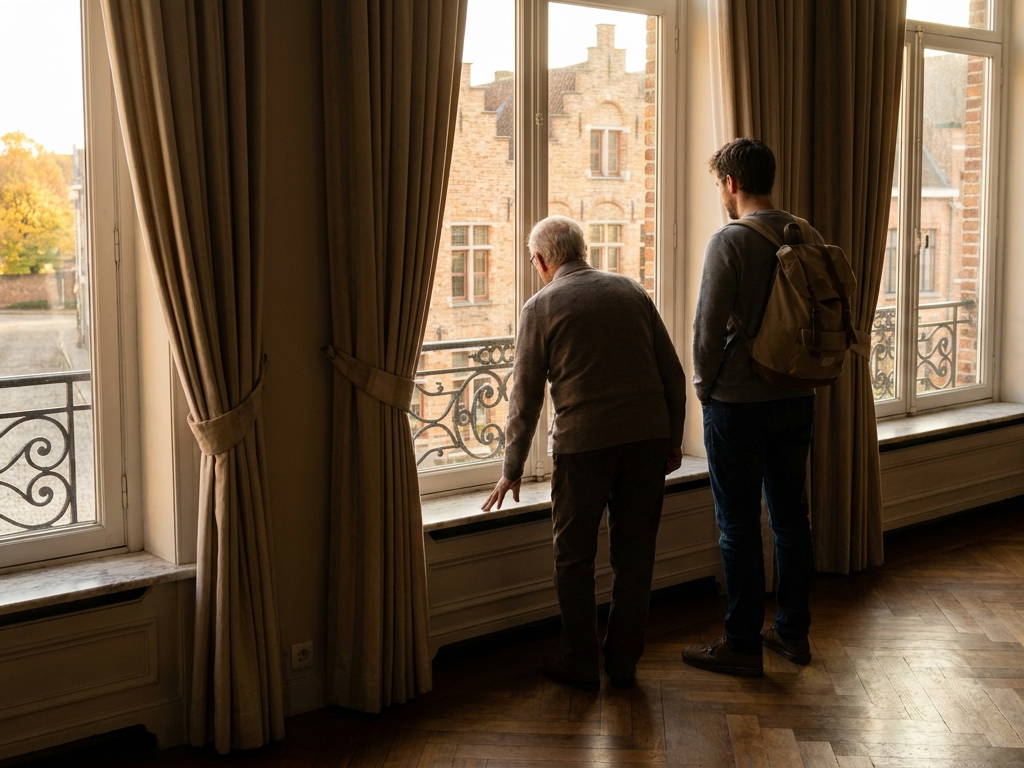
Let us take the example of Lucas, a French student on Erasmus in Coimbra. By choosing to rent a room with Maria, a retiree living in the Celas district, he saves nearly 100 euros per month compared to a standard studio. Above all, he benefits from a clear contract generated via our platform, protecting him from any disappointment, while enjoying the valuable advice of his host regarding local life.
For the host: a vital additional income in the face of inflation
While a homestay saves students, it is just as vital for local hosts. Portugal, like the rest of Europe, is facing a sustained increase in the cost of living. Inflation and fluctuations in interest rates (Euribor) have heavily impacted the purchasing power of Portuguese households and caused mortgage repayments to rise.
For many residents of Coimbra — whether they be retirees, single-parent families, or young professionals — renting out an unoccupied room is no longer just an act of solidarity; it is an economic necessity. This net and regular monthly additional income makes it possible to pay energy bills, pay down a mortgage, or simply maintain a decent standard of living without having to leave one's home.
This is where the sharing economy truly makes sense. By connecting underutilised spaces with pressing demand, a perfect synergy is created. Hosts keep total control over the choice of their tenant and the rules of their home, while benefiting from the payment guarantee offered by platforms like Roomlala. It is a civic act that pays off.
How to organise finding or offering shared housing in Portugal?
Whether you are looking for shared housing in Portugal or wish to open your doors, organisation is the key to success. For students, anticipation is paramount. Do not rely solely on unverified classified ads. Create a complete and reassuring profile on a dedicated platform, explain your study project, your lifestyle habits, and be respectful of the house rules. Trust is the foundation of homestay.
For future hosts, preparing to welcome someone is just as important. The room offered must be furnished, decent, clean, and conducive to study (a desk and a good internet connection are essential). Write an honest listing, with bright and recent photos. Set a fair price, in line with the local Coimbra market, while keeping in mind the solidarity-based purpose of this approach.
Initial communication is crucial. At Roomlala, we always recommend organising a video call before confirming the booking. It is the opportunity to address practical questions: use of common areas, schedules, visits from third parties, cleaning arrangements. Putting these elements in writing in house rules annexed to the rental contract allows 99% of future misunderstandings to be avoided.
In conclusion, the student housing crisis in Coimbra in 2026 is not inevitable. While public institutions have a role to play in the long term, civil society holds an immediate solution in its hands. Homestay proves that it is possible to combine economic profitability, legal security, and intergenerational solidarity. By opening our doors, we are not just hosting a student; we are saving their academic future.

There are no comments yet.
Leave a comment
You must be logged in to post a comment.