
 SEARCH
 LIST YOUR PROPERTY
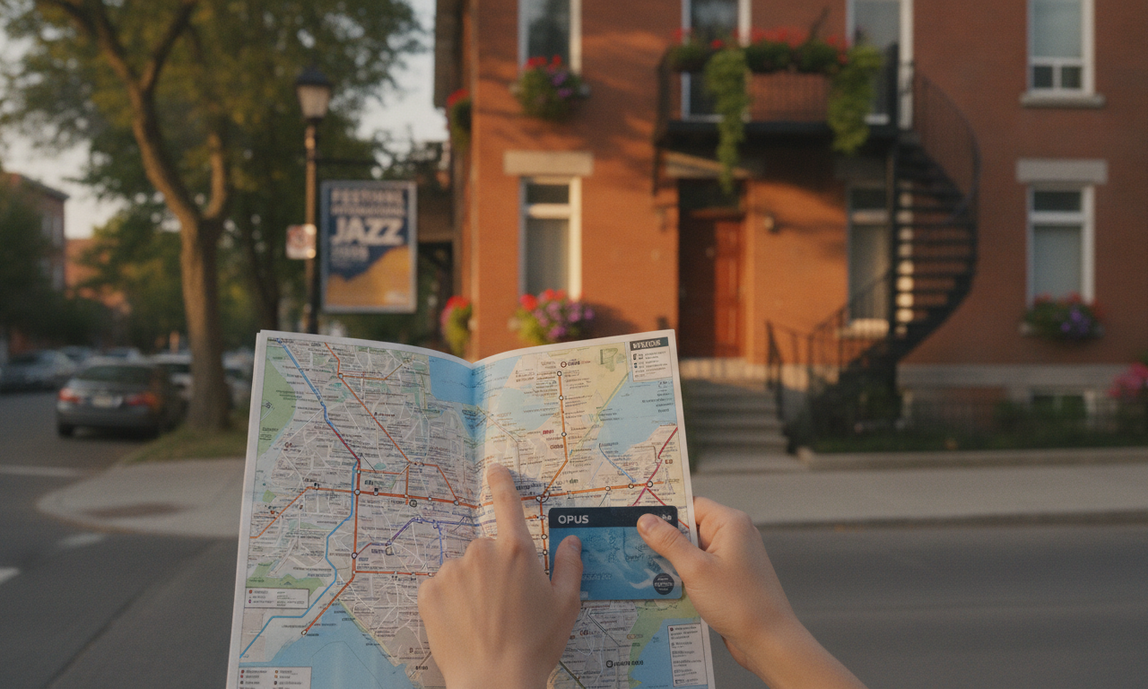
The Montreal summer is world-renowned for its vibrancy, and nothing embodies this better than the legendary Montreal International Jazz Festival. As saxophone notes prepare to echo through the Quartier des Spectacles, another reality emerges for travellers: the frantic scramble to find affordable accommodation. At Roomlala, we know how much of a headache finding a place to stay can be during major summer events. With hotels fully booked and prices soaring, there is a solution that is both economical, legal, and deeply human: a homestay. Let's dive into the preparations for this 2026 edition and discover how to optimise your travel budget whilst enjoying an authentic experience in the heart of the Quebec metropolis.
The 2026 Montreal International Jazz Festival: An unmissable yet costly event
A 46th edition that promises to be historic and will saturate the city
From 25 June to 4 July 2026, the Quebec metropolis will vibrate to the rhythm of the 46th edition of the Montreal International Jazz Festival. Considered by Guinness World Records as the largest jazz festival on the planet, this titanic event literally transforms the city centre. For ten days, the Quartier des Spectacles becomes a huge pedestrian zone dedicated to music, where living jazz legends, rising stars, and artists with varied musical influences meet. With over 350 concerts on the programme, a large majority of which are outdoors and free, the event's appeal is well-established.
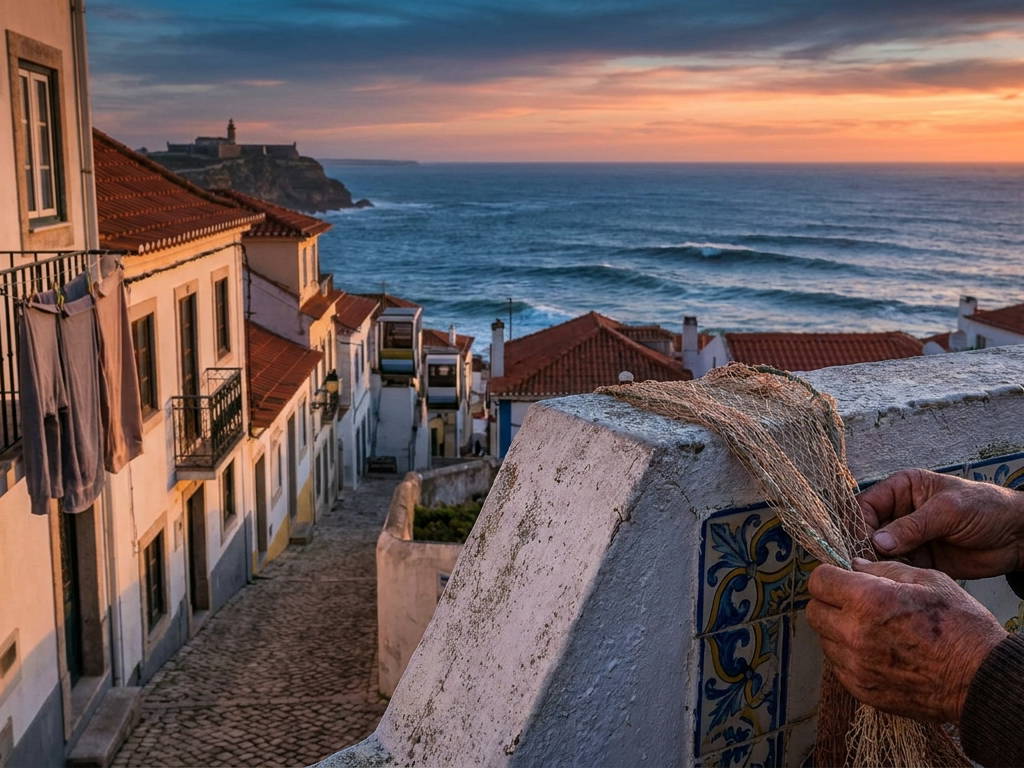
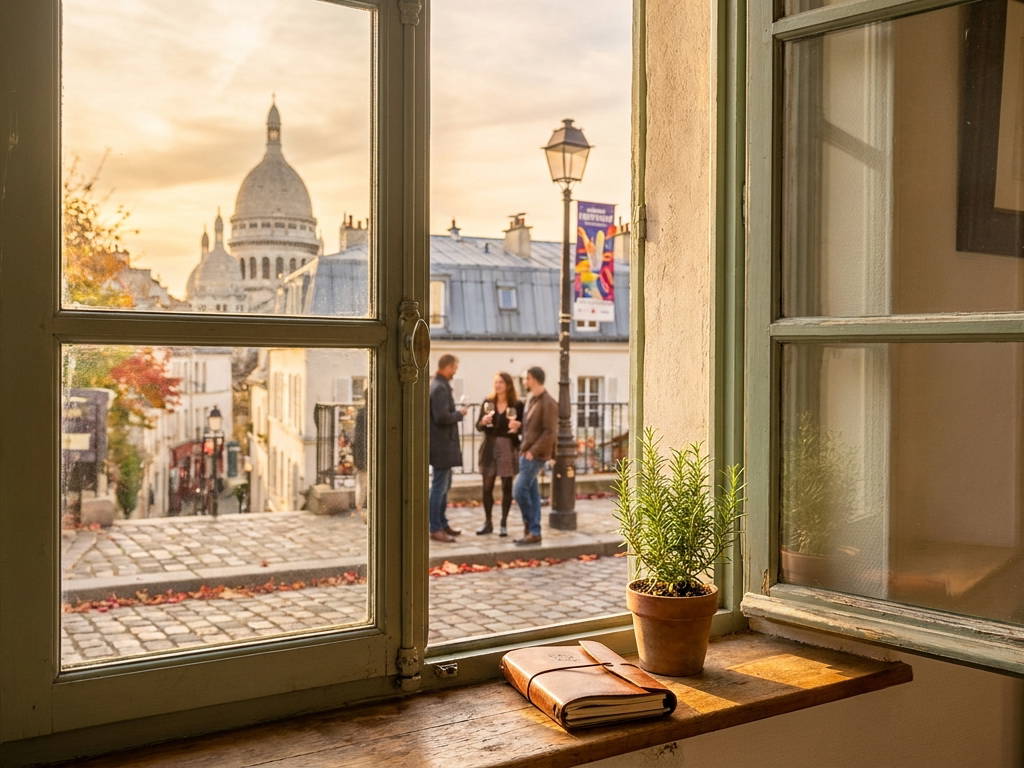
Read also: Nazaré giant waves 2026: Homestay accommodation to experience the thrill without breaking the bank, Montmartre Grape Harvest Festival 2026: The secret tip for affordable accommodation in Paris and Olma Fair 2026: Tips for finding accommodation in St. Gallen without breaking the bank
However, this global popularity has a direct impact on the city's logistics. Each year, the festival attracts more than 2 million visitors from all four corners of the globe. This massive influx creates unprecedented pressure on local tourist infrastructure. From the beginning of spring, city centre hotels, particularly in the Ville-Marie and Plateau-Mont-Royal sectors, see their booking calendars fill up at lightning speed. For last-minute travellers or those on a tight budget, finding an available room near the stages is often nothing short of a miracle.
This saturation is not just limited to room availability; it also alters the overall visitor experience. Restaurants around the Place des Festivals are stormed, public transport is crowded, and the pace of the city accelerates. It is in this context of high tourist intensity that the choice of your accommodation becomes strategic. Moving slightly away from the epicentre of the festival to stay in residential neighbourhoods not only allows you to escape the night-time frenzy to get some rest, but also to discover a more authentic side of Montreal.
Hotel inflation at the heart of the Montreal summer
If availability is a problem, the cost of accommodation is another, often far more off-putting. In normal times, the average price of a night in a 3-star hotel in Montreal is around $277 CAD. However, the summer festival period (which also includes the Francos de Montréal and the Just for Laughs festival) triggers a spectacular surge in prices. It is not rare to see hotel rates double or even triple during the ten days of the Jazz Festival. The dynamic pricing algorithms of large hotel chains adjust in real time to the overwhelming demand.
Let's take a concrete example: a couple of music lovers wishing to stay four nights in Montreal to enjoy the first weekend of the festival could easily spend over $1,500 CAD just for a standard hotel room, without including breakfasts or tourist taxes (which amount to 3.5% per night in Quebec, in addition to the usual 14.975% sales taxes). Such an expense significantly cuts into the overall trip budget, thereby limiting the possibilities of affording tickets for the most prestigious indoor concerts, enjoying local gastronomy, or visiting other attractions in the region.
Faced with this inflation that penalises many festival-goers, it is becoming urgent to rethink how we travel. At Roomlala, we are seeing a growing trend of travellers turning away from traditional hotels during major events to turn towards more resilient alternatives to price fluctuations. Short-term rental from private individuals is thus emerging not only as a financially sound choice, but also as a true travel philosophy, focused on sharing and local discovery.
Homestays: Your best ally for an economical and authentic stay
Protecting your travel budget without sacrificing comfort
Opting for a homestay is undoubtedly the most economical alternative for staying in Montreal during high season. Unlike traditional hotels, private hosts generally offer much more stable and affordable rates, even during festival periods. On average, a private room at a Montrealer's home will cost you between $60 and $120 CAD per night, depending on the neighbourhood and the amenities offered. This massive price difference allows for substantial savings, often in the region of 50 to 70% compared to an equivalent hotel.
Imagine the impact of these savings on your stay. By drastically reducing your accommodation budget, you free up funds to enrich your overall experience. These hundreds of dollars saved can be reinvested into buying VIP tickets to see your favourite jazz artist at the Maison Symphonique, a memorable dinner in one of the famous restaurants on Saint-Denis Street, or even extending your stay to explore the surroundings of Montreal, such as the Laurentians or the Eastern Townships.
Furthermore, staying in a homestay offers considerable indirect economic benefits. Most hosts make their kitchen available, allowing you to prepare your own meals, avoid restaurants for every service, and do your shopping in iconic local markets like the Jean-Talon Market or the Atwater Market. You also benefit from free Wi-Fi, and often valuable advice on how to use public transport optimally (for example, buying the OPUS card with a weekly pass), thus avoiding taxi or ride-hailing fees which can accumulate quickly when returning late from concerts.
Experiencing Montreal like a real local
Beyond the purely financial aspect, a homestay offers an invaluable added value: cultural immersion. Montreal is a city recognised globally for the warmth of its inhabitants, its diversity, and its relaxed atmosphere. By choosing to share the daily life of a Montrealer, you are not just renting a bed, you are offering yourself a privileged gateway into the real life of the metropolis. Your host becomes your first guide, capable of directing you far beyond the beaten paths of traditional tourist guides.
The experience often begins at breakfast. It is the perfect opportunity to chat about the festival programme. Your host might recommend a little-known local artist who is performing on a small neighbourhood stage, or tell you the best time to head to the Place des Festivals to avoid the crowds. These personalised tips transform a standard stay into a tailor-made adventure. For example, a host living in the Villeray neighbourhood will be able to point you towards the best local bakery or the most charming independent café to start your day.
Finally, this immersion allows you to discover Montreal's neighbourhoods in all their summer splendour. Far from the frenzy of the city centre, you will appreciate the calm of the green alleys of the Plateau-Mont-Royal, the bohemian vibrancy of the Mile End, or the family-friendly atmosphere of Rosemont-La Petite-Patrie. You will live to the rhythm of the locals, enjoying neighbourhood parks where Montrealers gather to have a picnic as soon as the first rays of sun appear. At Roomlala, we are convinced that these moments of sharing and conviviality are what forge the best travel memories.
Regulation and safety: How to book your room legally in Montreal?
The golden rules of tourist rentals in Quebec
While renting from a local is an attractive solution, it is governed by strict laws in Quebec and particularly in Montreal. At Roomlala, we make it a point of honour to inform our community to guarantee peaceful stays. The good news is that renting a room in your primary residence for short-term stays (less than 31 days) is completely legal. Better yet, the city of Montreal has specifically authorised and facilitated this practice during the summer period, from 10 June to 10 September, which perfectly encompasses the dates of the 2026 Jazz Festival.
However, for this rental to comply with the law, the Montreal host has specific obligations. They must mandatorily hold a provincial registration number issued by the Corporation de l'industrie touristique du Québec (CITQ). This number guarantees that the accommodation meets the safety and quality standards required by the province. In addition, depending on the borough, a municipal permit may also be required. As a traveller, you must be vigilant and check that this registration number (generally composed of six digits) appears clearly on the listing before finalising your booking.
We strongly advise you never to accept transactions outside the Roomlala platform and always to ask your host if the CITQ number is not visible. A compliant host will be happy to reassure you about the legality of their offer. By using our secure platform, you also benefit from protection in the event of cancellation or dispute, which is crucial when you are organising a trip for an event whose dates are fixed and cannot be changed.
Neighbourhoods to search in and those to avoid
Municipal regulation in Montreal is complex and varies considerably from one borough to another. It is essential to know that short-term tourist rental is strictly prohibited in some areas of the city, even for a simple room in a primary residence. This is particularly the case for the boroughs of Lachine, Saint-Laurent, and Saint-Léonard. If you find listings for stays of less than 31 days in these areas, they are most likely illegal, and you risk having your booking cancelled at the last minute in the event of a municipal check.
Fortunately, many fantastic neighbourhoods allow this practice and are perfectly located to enjoy the Jazz Festival. The Plateau-Mont-Royal, with its famous outdoor staircases and artistic atmosphere, is a top choice. It is close to the city centre and is full of bars where live music continues after the official concerts. The Ville-Marie borough (the city centre itself) is ideal if you want to be at the heart of the action, although listings there are scarcer and slightly more expensive.
For an excellent compromise between tranquillity, affordability, and accessibility, we recommend looking at the neighbourhoods served by the green and orange metro lines. Hochelaga-Maisonneuve to the east, or Verdun and Saint-Henri to the southwest, are vibrant, up-and-coming boroughs that are very popular with young Montrealers. By staying near a metro station, you will be able to reach the Place des Arts (the heart of the festival) in less than 20 minutes, whilst enjoying the charm of an authentic residential neighbourhood.
Our practical tips for organising your visit to the Jazz Festival
Anticipation is the key to a successful stay during the Montreal Jazz Festival. Although homestays offer more flexibility than hotels, the best offers (those combining a highly-rated host, an ideal location near the metro, and an unbeatable price) disappear months in advance. We advise you to start your searches on Roomlala from the beginning of 2026. Do not hesitate to contact several hosts to discuss your expectations and ensure that your rhythm as a festival-goer (which often implies late-night returns) matches their lifestyle.
The issue of transport is central to your organisation. During the festival, the city centre is closed to car traffic. Forget about car hire, which will be a financial black hole in parking fees and a source of constant stress. The Société de transport de Montréal (STM) is your best ally. The Montreal metro is safe, clean, and runs until around 1:00 am (and even later on weekends). Discuss with your future host the exact distance between their accommodation and the nearest metro station. A 10-minute walk is ideal for returning safely after a midnight concert.
Communication with your host before and during the stay will make all the difference. Montrealers are known for their relaxed hospitality. Be transparent about your schedule. If you plan to attend the late-night jam sessions that the festival is famous for and return at 3 am, make sure that this is not a problem (for example, by asking if you will have your own set of keys and if access to the room is independent). Good prior understanding guarantees mutual respect and a harmonious stay.
To summarise, here is your Roomlala checklist for a perfect 2026 Jazz Festival:
- Book early: Aim for January or February 2026 to have the best selection of homestays.
- Check the legality: Look for the CITQ registration number on the listing and avoid prohibited boroughs (Lachine, Saint-Laurent, Saint-Léonard).
- Prioritise the metro: Choose accommodation located within a 15-minute walk of a station on the green or orange lines.
- Communicate your schedule: Confirm with your host that your late returns related to night-time concerts are accepted.
- Prepare your budget: Use the money saved on accommodation to discover local gastronomy, like a real late-night poutine or a Quebec microbrewery beer!
By choosing a homestay with Roomlala, you are not just avoiding soaring hotel prices. You are choosing to experience the 2026 Montreal International Jazz Festival from the inside, in contact with those who make the city vibrate all year round. Have a great festival and a wonderful stay in Quebec!


There are no comments yet.
Leave a comment
You must be logged in to post a comment.